Health
Minnesota measles count soars, with 80% of cases reported in Todd County
By Marcus Chen
Advertisement · Why this ad?
Katherine oversees editorial operations across all six brands. Before joining The Meridan Group, she spent 14 years at the Minneapolis Star Tribune, where she led the metro desk through its digital transformation. She holds a Master's in Journalism from Northwestern's Medill School.
More from Katherine →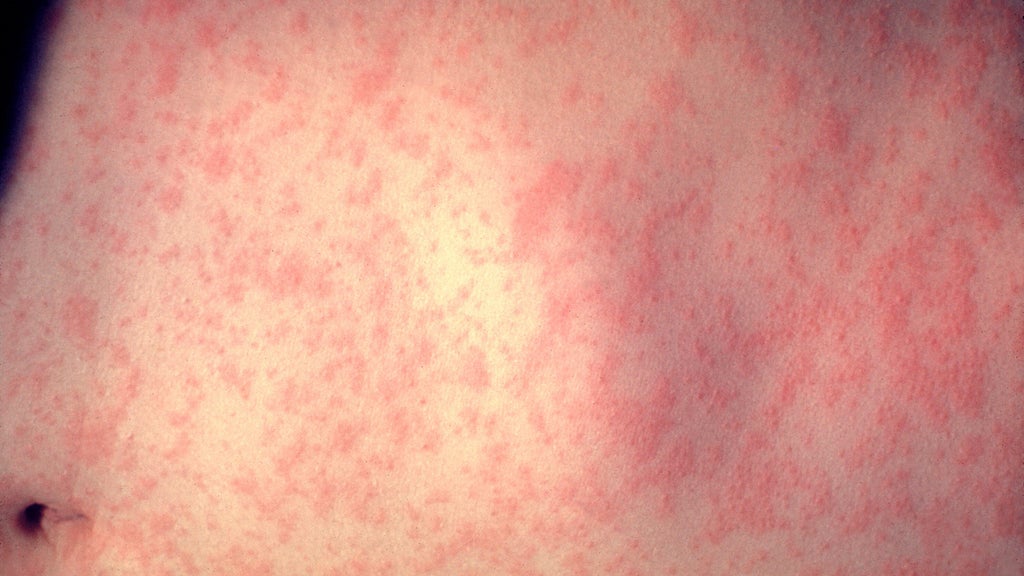
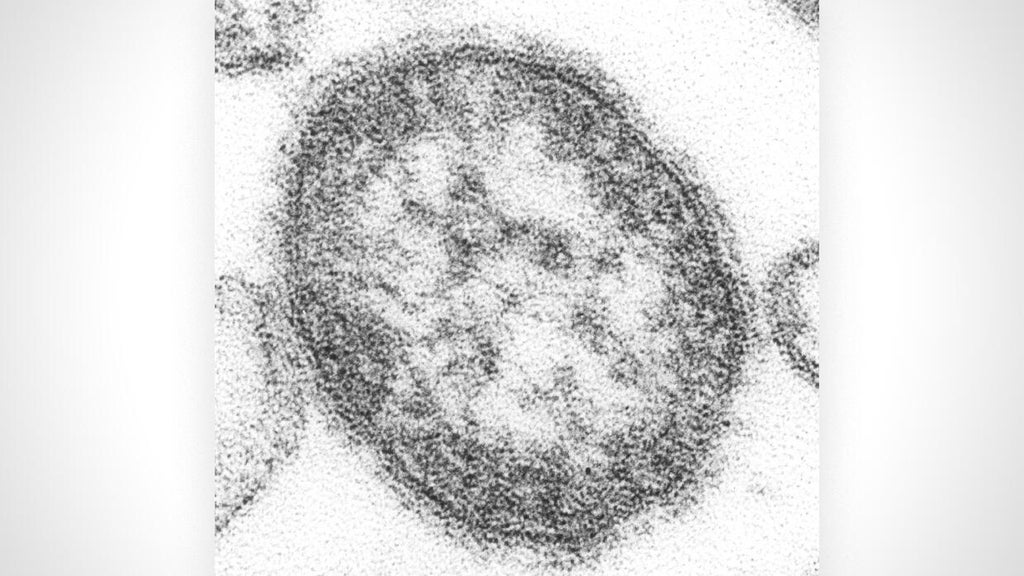
On a quiet summer afternoon in southwestern Wisconsin, a family received devastating news that would forever alter their lives. An infant, whose innocent smile once brightened family gatherings and community events, succumbed to a disease many believed was relegated to history. This tragic event marks a somber milestone in Wisconsin’s recent health history, highlighting the resurgence of measles—a disease once nearly eliminated from the United States.
The Wisconsin Department of Health Services announced Thursday that an infant had died from measles, marking the first such death in the state since 1990. The death underscores a troubling resurgence of the disease, with the department reporting 431 cases across 13 counties as of Tuesday, the highest number in over 35 years. The outbreak spans across several counties, including Columbia, Buffalo, Dane, and Waukesha, with most cases concentrated in southwest Wisconsin, an area known for its close-knit communities and rural charm.
Many residents in this region have deep roots in agriculture, small businesses, and faith-based communities. The area’s cultural fabric is woven with traditions of self-reliance and community support, which makes the recent health crisis particularly impactful. According to local public health officials, the outbreak has disrupted not just health services but also community gatherings, schools, and local events, which are central to rural life in Wisconsin.
According to DHS Secretary Kirsten Johnson, the death is a heartbreaking reminder of the deadly potential of vaccine-preventable diseases. “It is with a heavy heart we are reporting the first death of an infant connected with a measles outbreak in Wisconsin in many years. My heart is broken for the family,” she said. The department emphasizes that measles can cause severe illness, especially in infants and unvaccinated individuals, and urges residents to evaluate their risk and take protective measures.
Over the past several months, more than 350 cases have been reported specifically in southwest Wisconsin, with additional cases in counties outside the region. The outbreak has resulted in nine hospitalizations due to severe symptoms, illustrating the disease’s capacity for serious health complications. Despite these numbers, health officials acknowledge that not all cases are captured in official counts, as some individuals with mild symptoms may not seek testing or medical care.
Local hospitals in the affected counties, such as the Mercy Medical Center in Viroqua and Tomah Memorial Hospital, have been overwhelmed with cases, prompting emergency responses and resource reallocation. Healthcare workers have expressed concern about protecting vulnerable populations, including infants, elderly residents, and those with compromised immune systems.
Public health officials are working diligently to contain the outbreak, distributing vaccines and raising awareness. Since August 1, more than 2,000 doses of the MMR vaccine have been provided to local health departments, with over 42,000 doses administered by healthcare providers since then. These efforts aim to bolster community immunity and prevent further tragedies like this infant’s death.
The community’s response has been one of shock and concern. Local leaders and health professionals are emphasizing the importance of vaccination, especially in areas experiencing outbreaks. Many residents recall the days when measles was a distant memory, thanks to widespread immunization efforts, and are now confronting the reality that complacency can lead to devastating consequences.
Parents and caregivers are now urged to ensure their children and themselves are up to date on the MMR vaccine. The local school districts, such as the Viroqua Area School District and La Farge School District, have issued statements reinforcing the importance of vaccination for students returning to classes amid the outbreak. Dr. Emily Carter, a local pediatrician, stated, “Vaccination is our most effective tool against measles. It’s heartbreaking to see preventable tragedies occur because of vaccine hesitancy or access issues. We must come together to protect our families and communities.”
The outbreak has also sparked conversations about the importance of maintaining strong, faith-based families that prioritize health and well-being through responsible choices and community support. Many churches and faith organizations in the region have begun hosting informational sessions to dispel myths about vaccines and encourage immunization as part of their community outreach efforts.
Health officials recognize that vaccine hesitancy remains a barrier in many communities. Misinformation and mistrust have contributed to declining vaccination rates, creating vulnerabilities that allow diseases like measles to reemerge. Promoting accurate information about the safety and efficacy of vaccines is critical, especially in communities where faith and family values are central to daily life.
In some towns, local leaders and health advocates are partnering with faith leaders to build trust and dispel fears. For example, Pastor John Miller of the First Baptist Church in La Crosse has publicly endorsed vaccination, emphasizing that protecting children aligns with community values of caring and stewardship. Such efforts are vital in areas where skepticism about modern medicine persists due to historical or cultural reasons.
Looking ahead, Wisconsin’s health authorities are intensifying efforts to curb the outbreak through targeted vaccination campaigns, public education, and community engagement. They are urging residents to call local health departments immediately if exposed to the disease, as prompt treatment can reduce severity and prevent further spread.
State officials are also reviewing their vaccination policies and outreach strategies to prevent future outbreaks. The tragic death of this infant serves as a powerful call to action—reminding us that disease control requires ongoing vigilance and community commitment. As Wisconsin works to recover and rebuild trust in immunizations, neighboring states watch closely, knowing that infectious diseases respect no borders and that prevention is always better than cure.
For families in Edina and across Minnesota, this story underscores the importance of maintaining high vaccination rates and fostering environments where health and faith go hand in hand. Strong families, rooted in authentic Christian values, understand that protecting the vulnerable is a moral duty, one that can save lives and preserve the American dream of a safe, healthy community.
In the wake of this tragic loss, local health departments are planning additional outreach events, including vaccination clinics at community centers, churches, and schools. These efforts aim to reach hesitant populations and ensure that everyone understands the importance of the MMR vaccine, especially in the face of rising cases.
Resources remain available for those seeking information or assistance with vaccinations. Local clinics, the Wisconsin Department of Health Services, and trusted healthcare providers stand ready to serve. Community leaders are also advocating for policy changes that could include mandatory vaccination for school entry, a move supported by many health experts to prevent future outbreaks.
As we reflect on this heartbreaking loss, let us renew our commitment to safeguarding our children and honoring the precious gift of life that each new generation brings. The community’s resilience and collective action will be crucial in preventing further tragedies and ensuring that measles remains a disease of the past in Wisconsin and beyond.
By Marcus Chen
By Katherine Langford

By Marcus Chen

By Katherine Langford