Health
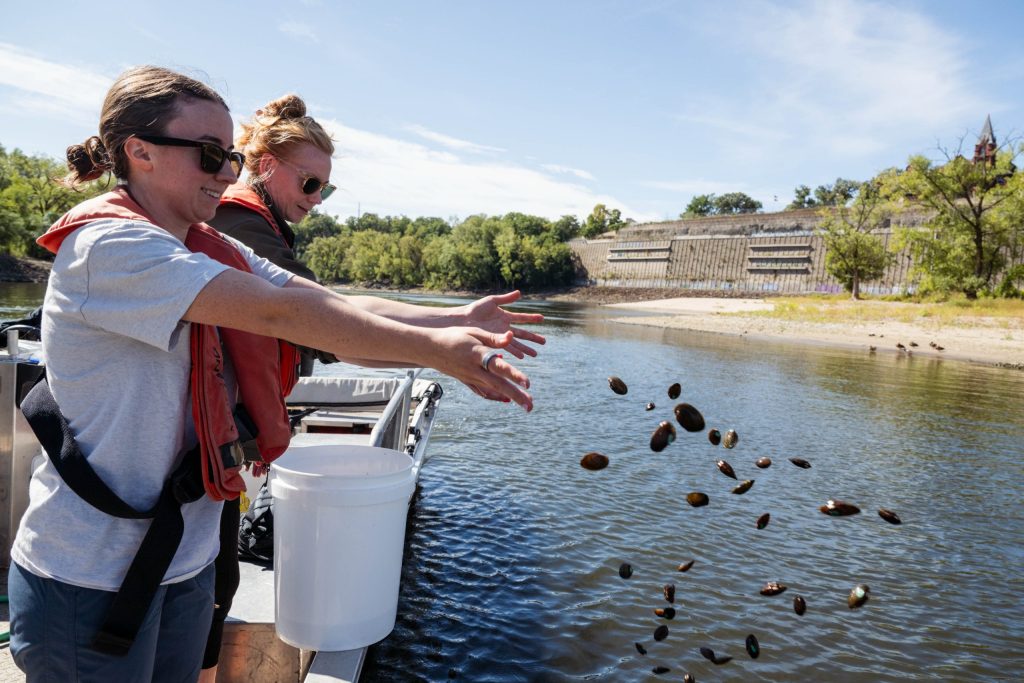
Mussels regaining a foothold in the upper Mississippi River after decades of decline
By Katherine Langford
Advertisement · Why this ad?
Katherine oversees editorial operations across all six brands. Before joining The Meridan Group, she spent 14 years at the Minneapolis Star Tribune, where she led the metro desk through its digital transformation. She holds a Master's in Journalism from Northwestern's Medill School.
More from Katherine →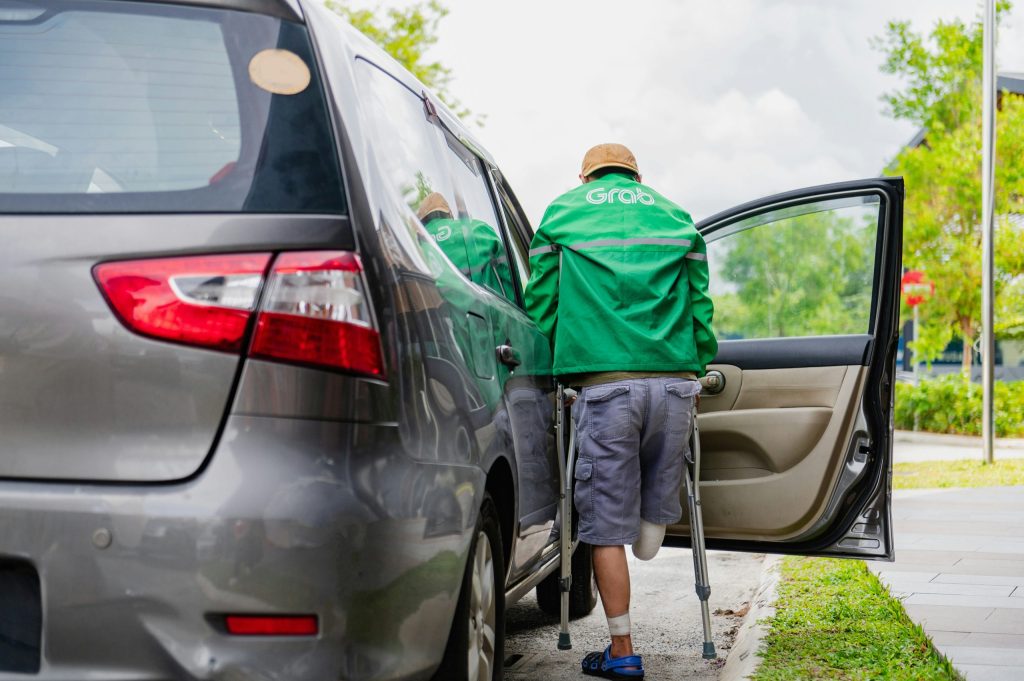
Minnesota's rural healthcare landscape faces significant challenges, particularly in non-emergency medical transportation, as highlighted by a recent study from the University of Minnesota Duluth (UMD) and the Arrowhead Regional Development Commission. This issue is not just a logistical inconvenience; it can have life-altering consequences for residents in need of medical care.
The closure of rural hospitals and the increasing difficulty in accessing healthcare clinics and physicians are creating a crisis in Minnesota's rural communities. This isn't merely about inconvenience; it's about access to vital medical services that can determine the quality of life and even survival for many residents. The issue of non-emergency medical transportation (NEMT) is a critical piece of this puzzle, often serving as the deciding factor in whether a patient can receive the care they need.
When Blue Cross and Blue Shield of Minnesota's transportation company withdrew from the Arrowhead region, it left a void in the healthcare system that could not be ignored. Beverly Sidlo-Tolliver, principal planner at Arrowhead, noticed the dire impact on patients, particularly those scheduled for dialysis. Two patients missed their appointments and ended up hospitalized, underscoring the critical nature of reliable transportation. This incident wasn't an isolated event; it highlighted a systemic vulnerability in the region's healthcare infrastructure.
The Arrowhead Regional Development Commission plays a vital role in northeastern Minnesota, acting as a bridge between local governments, community organizations, and residents. Their mission is to address regional needs and find solutions to complex problems, and the NEMT crisis clearly fell into that category. The commission’s involvement underscores the severity of the problem and the need for a collaborative approach to finding solutions. The region’s economy is heavily reliant on natural resource industries, such as mining and forestry, which often mean residents live far from essential services and face unique transportation barriers. This makes addressing the NEMT crisis even more critical for the economic stability and overall well-being of the area.
The community's response to the study has been mixed. While some residents are grateful for the attention to this critical issue, others are skeptical of the feasibility of implementing any solutions. Sidlo-Tolliver emphasized the need for consistent coordination and facilitation of transportation providers, addressing the 'unloaded miles' issue where drivers are not reimbursed during non-revenue-generating portions of their trips.
The skepticism is understandable. Many rural residents have witnessed promises of assistance come and go, leaving them feeling abandoned by the larger healthcare system. Overcoming this cynicism and building trust will be crucial for any successful NEMT initiative. Furthermore, the sheer scale of the problem – the vast distances and limited resources – can feel overwhelming, leading to a sense of helplessness among some community members.
The Arrowhead region's unique geography contributes significantly to the transportation challenges. Covering a vast area with sparsely populated towns and limited public transportation options, it’s a landscape where distances are deceptive. What might seem like a short drive on a map can easily turn into a multi-hour journey, especially during harsh Minnesota winters. The region's proximity to the Upper Peninsula of Michigan further complicates matters, as some patients require transportation across state lines, adding another layer of logistical complexity. The terrain itself – often rugged and mountainous – can also make transportation difficult, particularly during inclement weather. The lack of reliable cell phone service in many areas is another hurdle, making it challenging to coordinate rides and respond to emergencies.
The researchers are currently working on creating a documentary from their findings, aiming to raise awareness and generate solutions. However, the focus has shifted from quantifying the number of affected individuals to recognizing that even one person's inability to access necessary care due to transportation issues is unacceptable. Sidlo-Tolliver emphasized that those who rely on these services deserve the same level of care as anyone else.
The documentary will serve as a powerful tool for educating policymakers, healthcare providers, and the general public about the realities of rural healthcare transportation. It will feature interviews with patients, drivers, and healthcare professionals, providing a firsthand look at the challenges and potential solutions. The researchers plan to distribute the documentary widely, including screenings at community events, presentations to state legislators, and online platforms. This will help ensure that the issue reaches a broad audience and sparks meaningful conversations about potential solutions.
The research team is exploring several potential solutions to address the NEMT crisis. These include:
Addressing the 'unloaded miles' issue is also a key priority. Finding ways to reimburse drivers for these non-revenue-generating miles would significantly increase the attractiveness of NEMT work, encouraging more people to enter the profession. The current system often penalizes drivers, making it difficult for them to earn a living wage. The Arrowhead Regional Development Commission is actively exploring options for advocating for policy changes at the state level to address this issue.
The issue of non-emergency medical transportation in rural Minnesota is a testament to the complexity of healthcare delivery. While the immediate impact on individuals is clear, the broader implications for families and communities are profound. Ensuring that everyone, regardless of their location, has access to necessary medical care is a cornerstone of the American dream. As Sidlo-Tolliver and Beard's research continues, it is essential that we not only acknowledge the problem but also work towards sustainable solutions.
For residents in Edina and surrounding areas, this issue may seem distant, but it is a reminder of the interconnectedness of our communities. By supporting initiatives that prioritize equitable access to healthcare, we can help ensure that no one is left behind in their journey to better health. The challenges faced by rural communities highlight the importance of investing in infrastructure and resources that support the health and well-being of all Minnesotans.
The consequences of inadequate NEMT extend beyond individual patient suffering. They also have a significant financial impact on hospitals and healthcare systems. The eight minutes spent rescheduling each missed appointment, as highlighted by Beard, represent a tangible loss of billable hours and resources. Furthermore, patients waiting for transportation often occupy valuable hospital beds that could be used to treat other individuals. These factors contribute to decreased profitability and increased operational costs for healthcare providers, ultimately impacting the entire system. Rural hospitals, already operating on thin margins, are particularly vulnerable to these financial pressures.
While missed appointments and hospitalizations are concerning, the human cost of inadequate NEMT goes even deeper. It can lead to social isolation, mental health challenges, and a diminished quality of life for vulnerable individuals. The ability to access healthcare is not just about physical well-being; it's about maintaining dignity, independence, and a sense of connection to the community. For elderly residents or those with disabilities, the inability to access transportation can mean a loss of independence and a feeling of being trapped in their homes.
By Katherine Langford

By Marcus Chen

By Marcus Chen

By Marcus Chen